 Shop for dogs
 Shop for cats
Nov 5, 20268 min read
Slow Feeder for German Shepherds: How to Choose and Feed Safely
How to choose a slow feeder for German Shepherd dogs, set up a bloat-aware feeding routine, and spot the GDV warning signs that mean you should call your vet now.
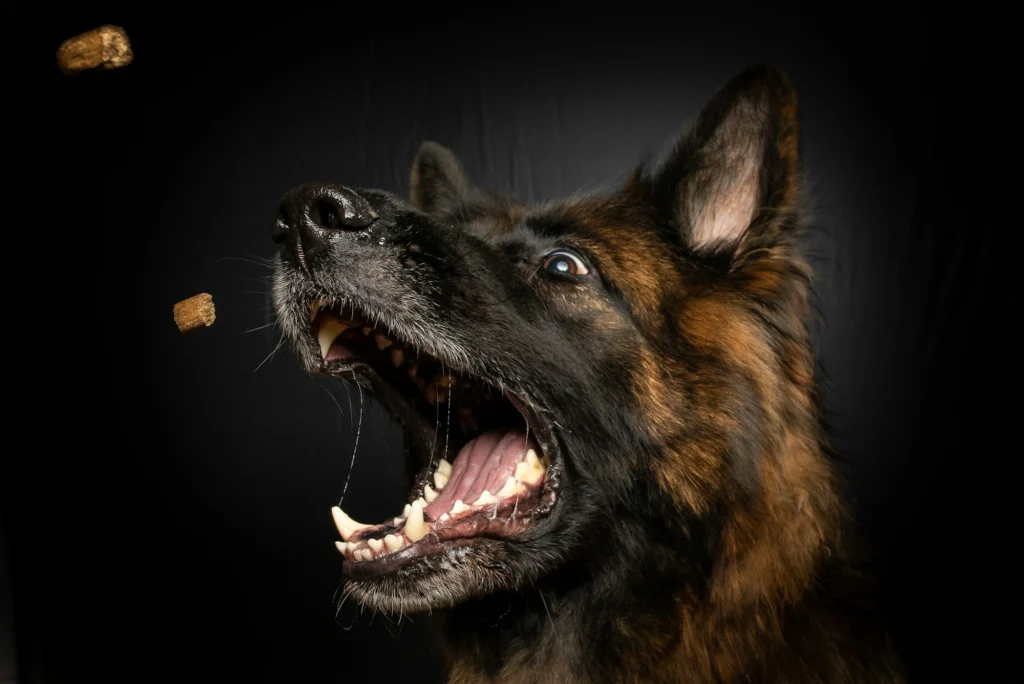
Slow feeder bowls, puzzle feeders and lick mats that turn gulping into a calm, enriching meal.
Interactive bowls, lick mats and puzzle feeders that slow the meal to protect digestion and calm mealtime for dogs and cats.
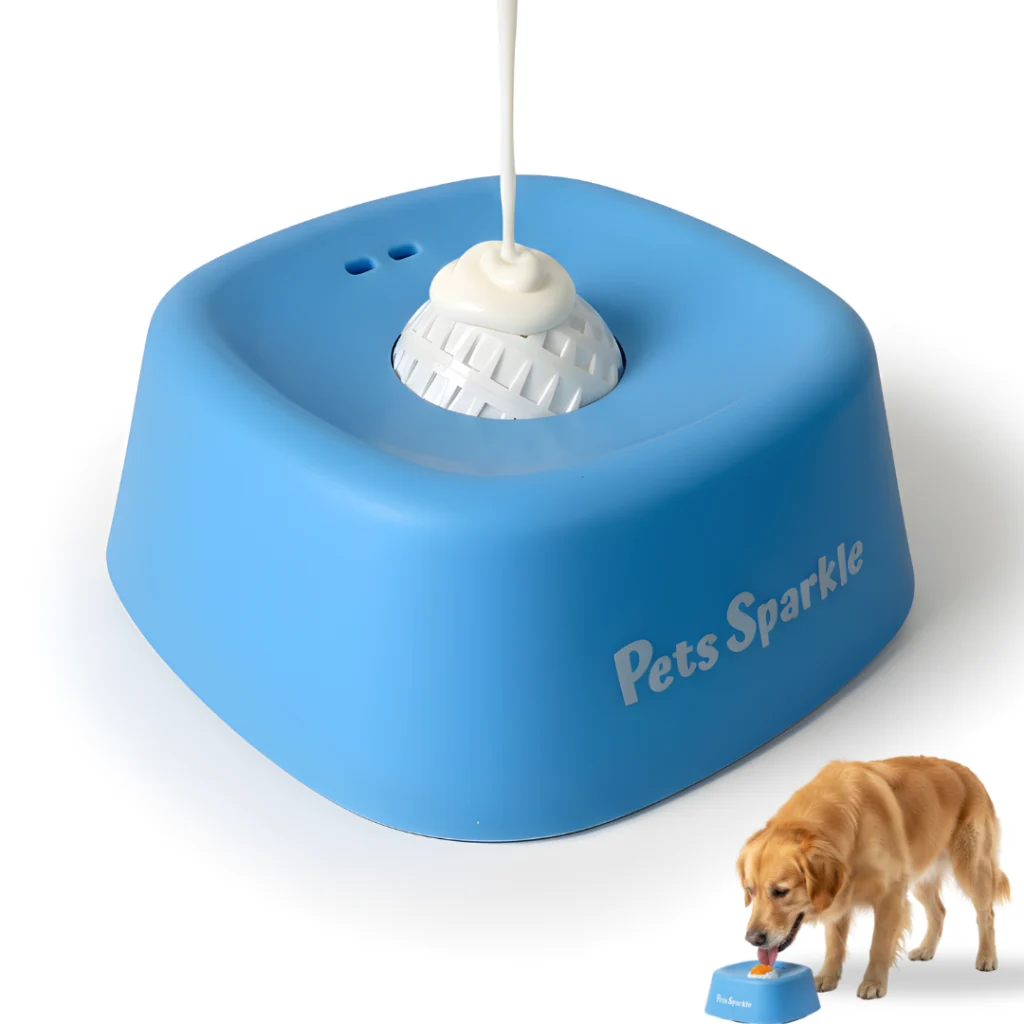
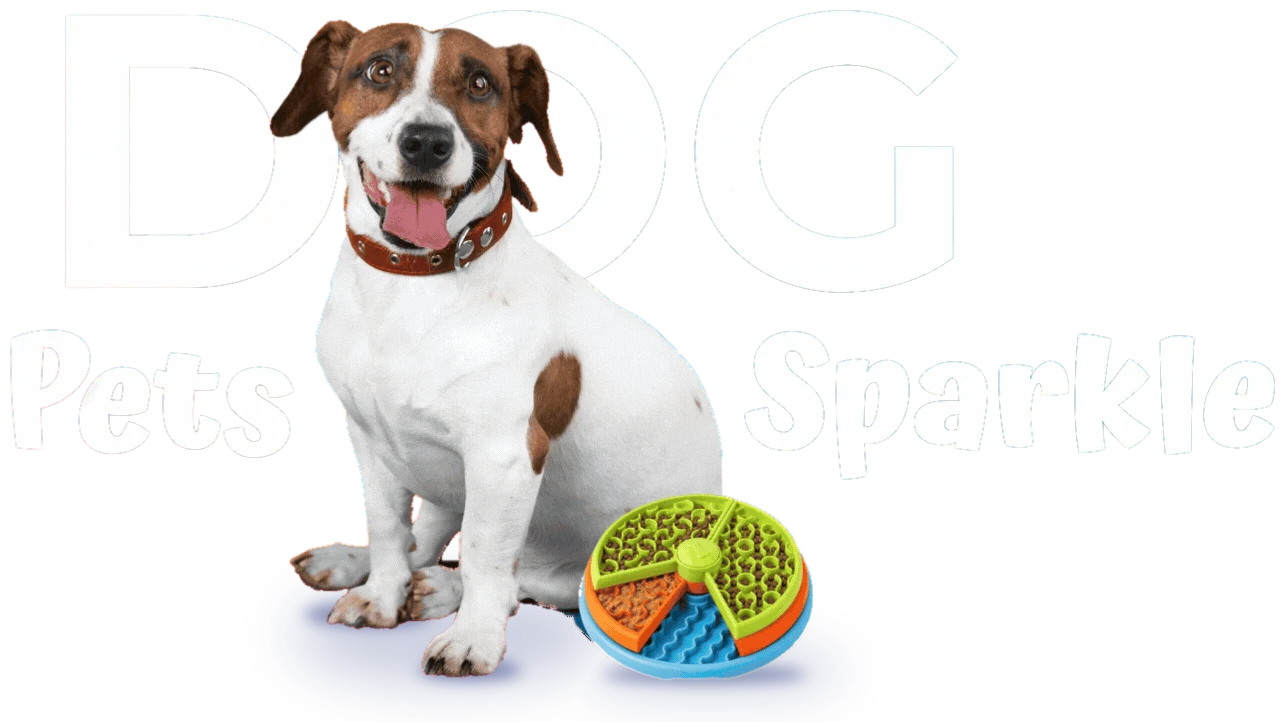
Spinning slow feeder bowl that eases gulping and aids digestion.
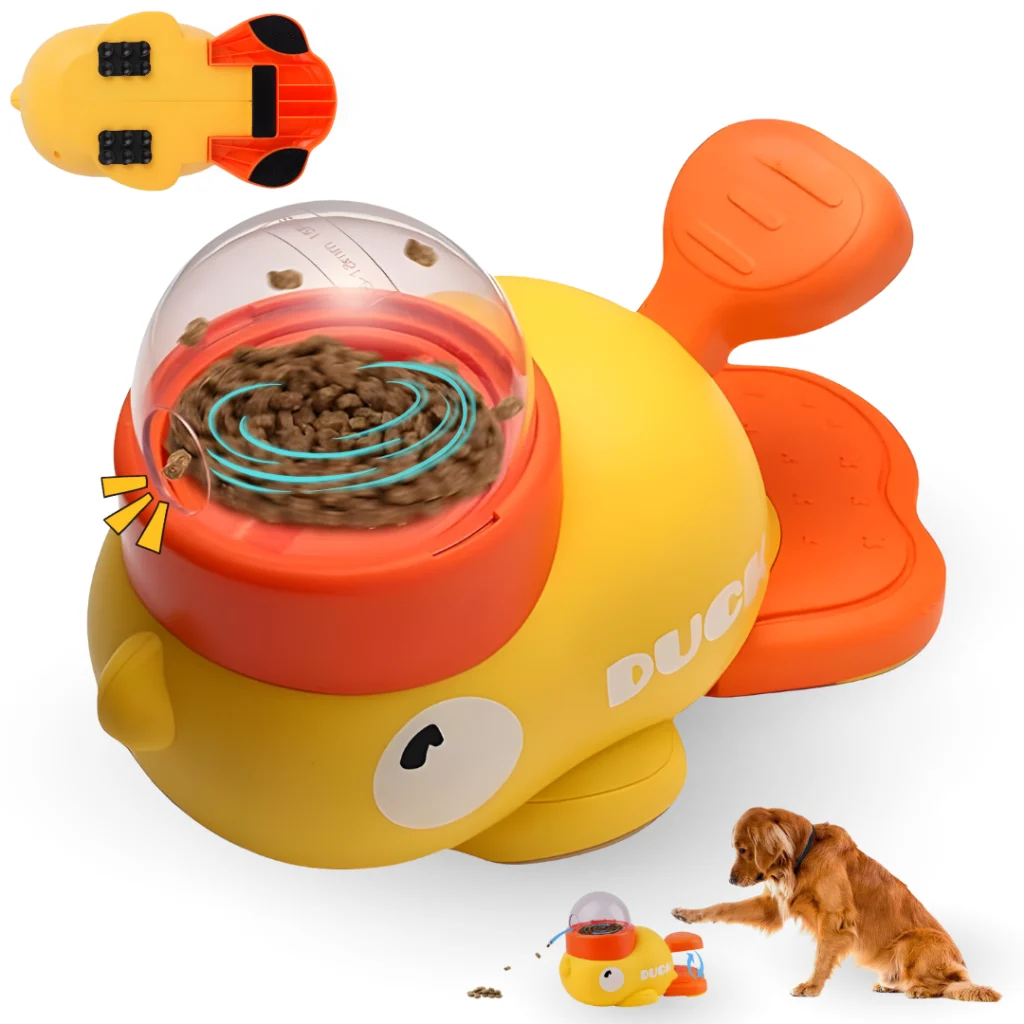
Interactive tail-press treat dispenser for IQ training and slow feeding.
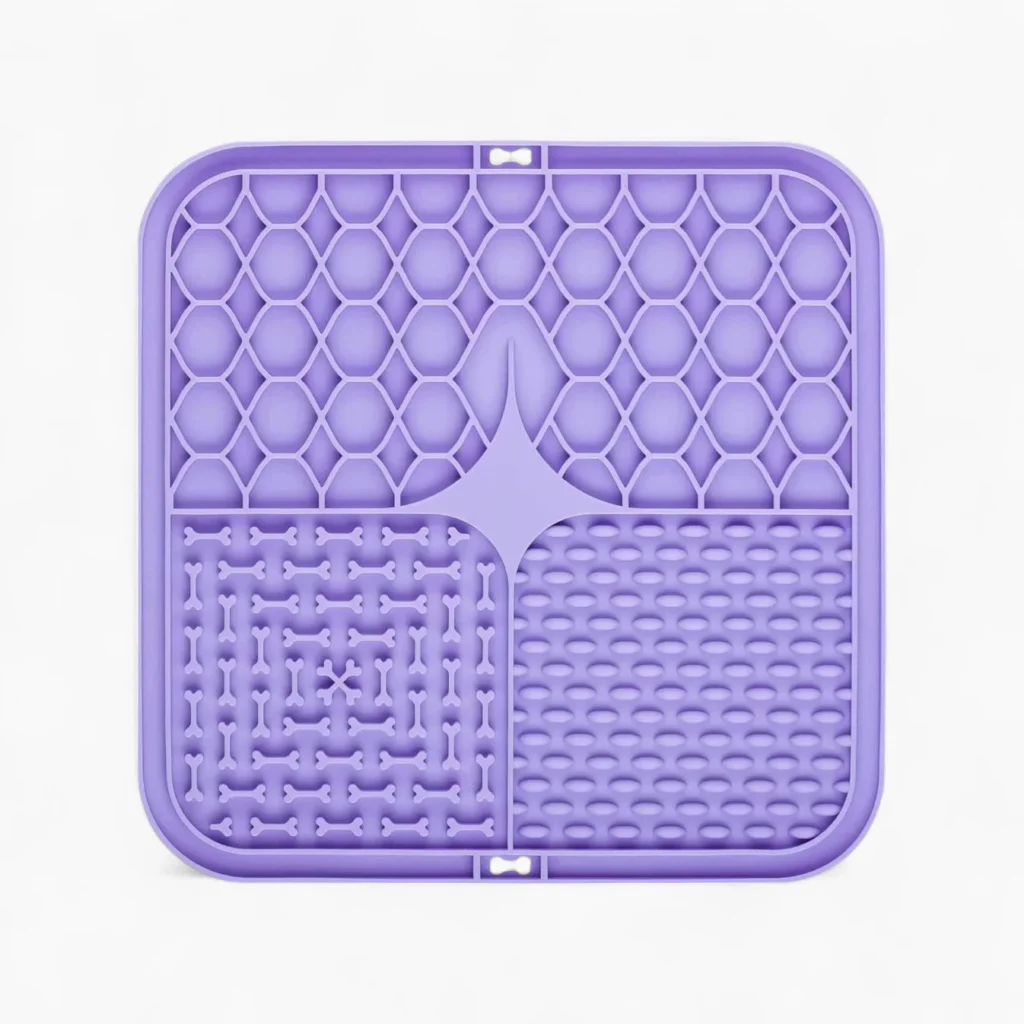
Calming silicone lick mat for wet food, treats and frozen toppers.
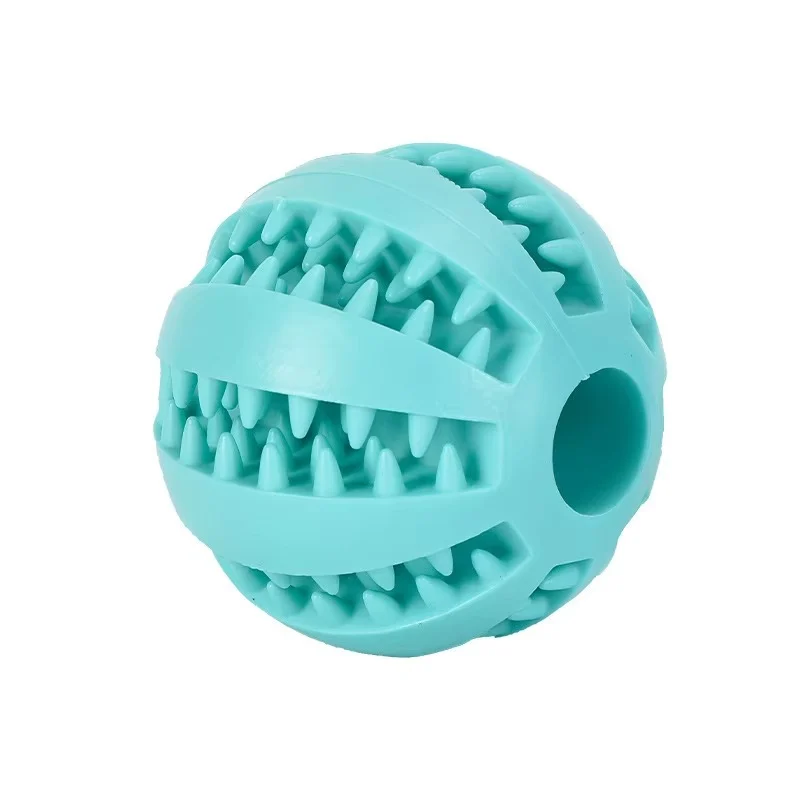
Natural-rubber treat ball for foraging fun and cleaner teeth.
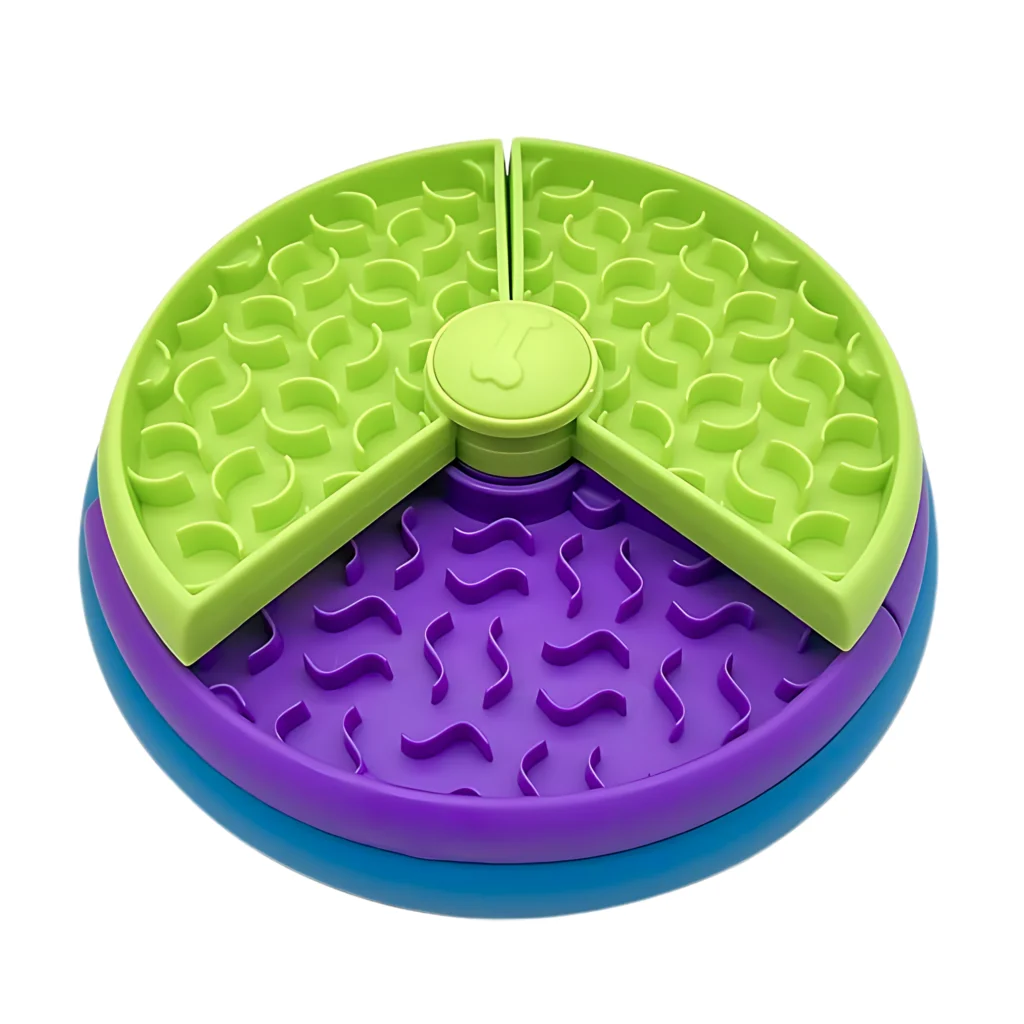
Three-level maze bowl that slows fast eaters and turns every meal into enrichment.
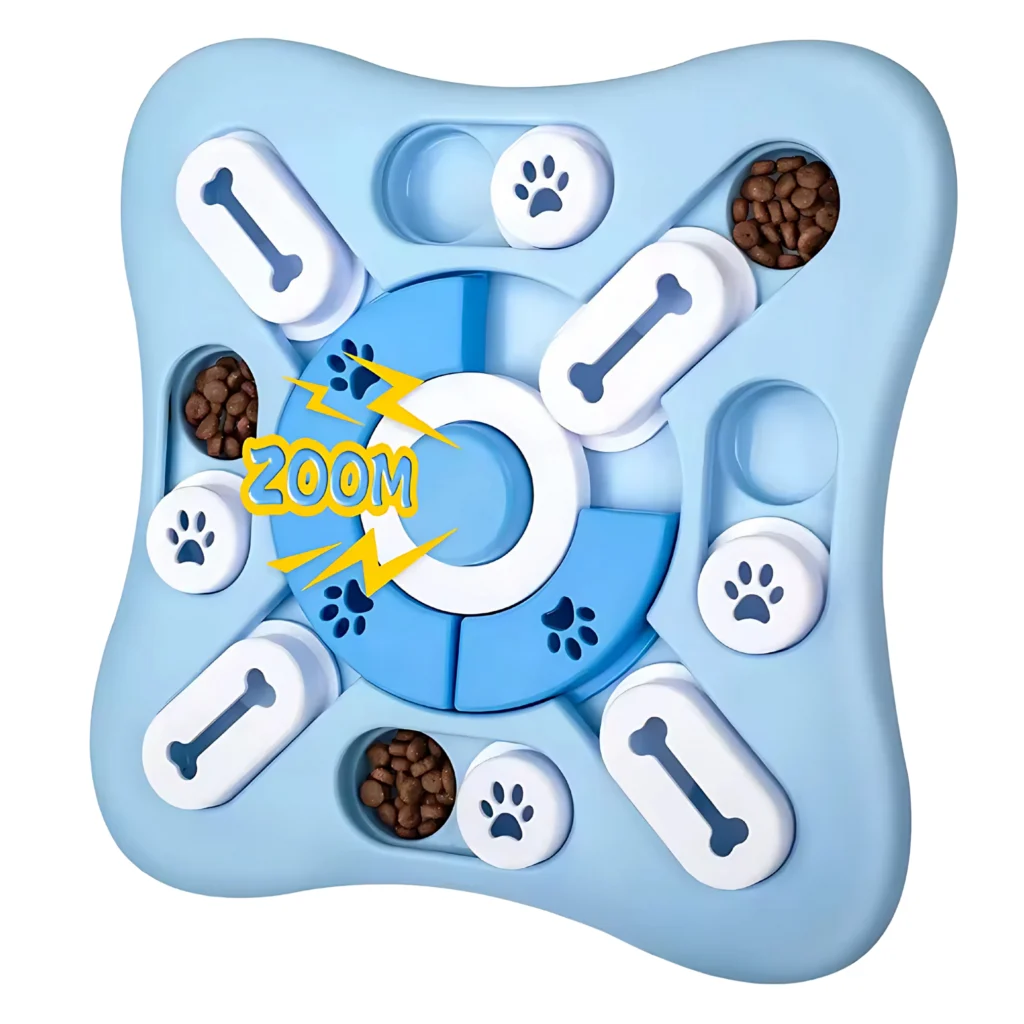
Flat puzzle feeder that slows big eaters and adds enrichment.
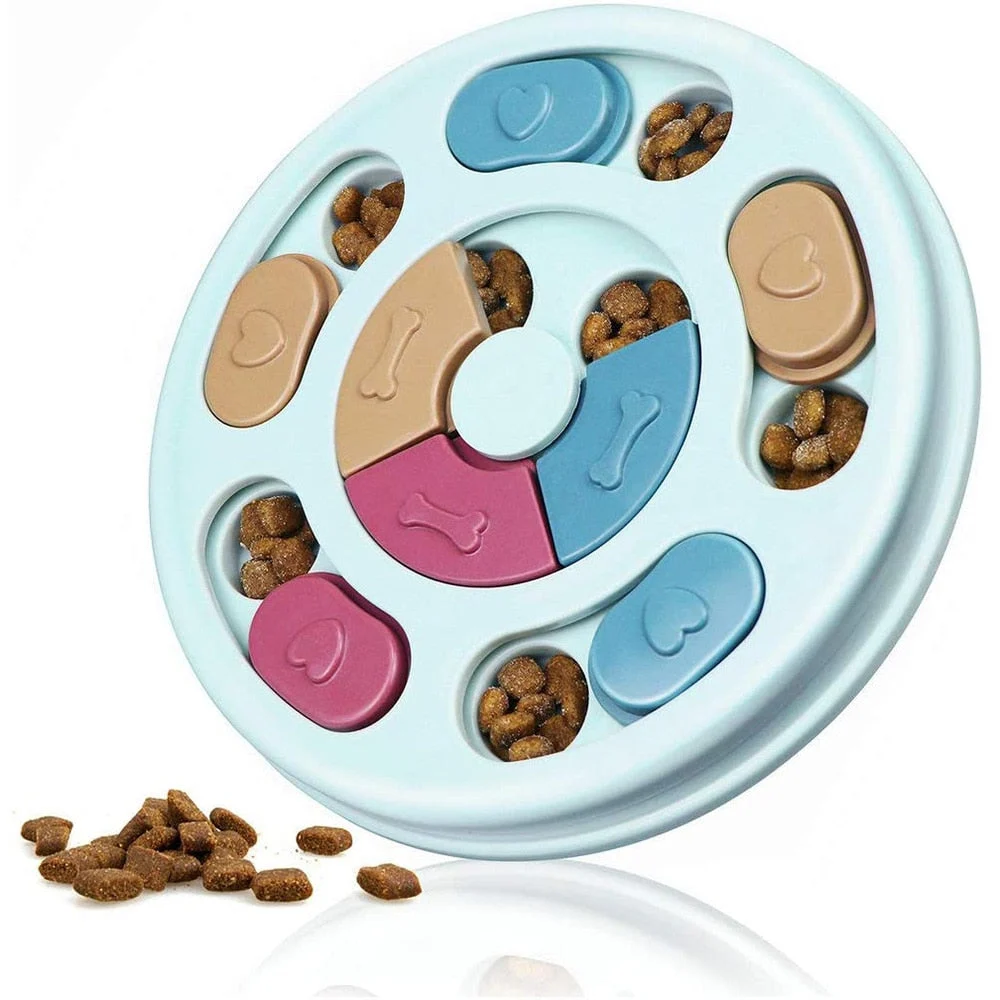
Interactive puzzle feeder that turns meals into a brain game.
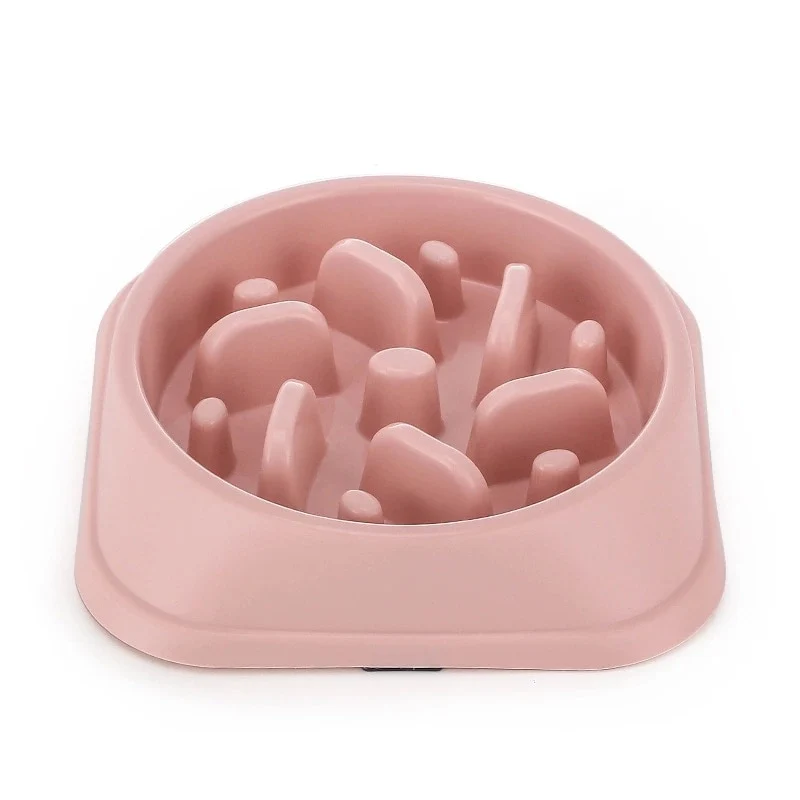
Fast eating is linked to bloating, choking and anxious behaviour. A slow feeder fixes it at the bowl, turning every meal into a calm, healthy routine.
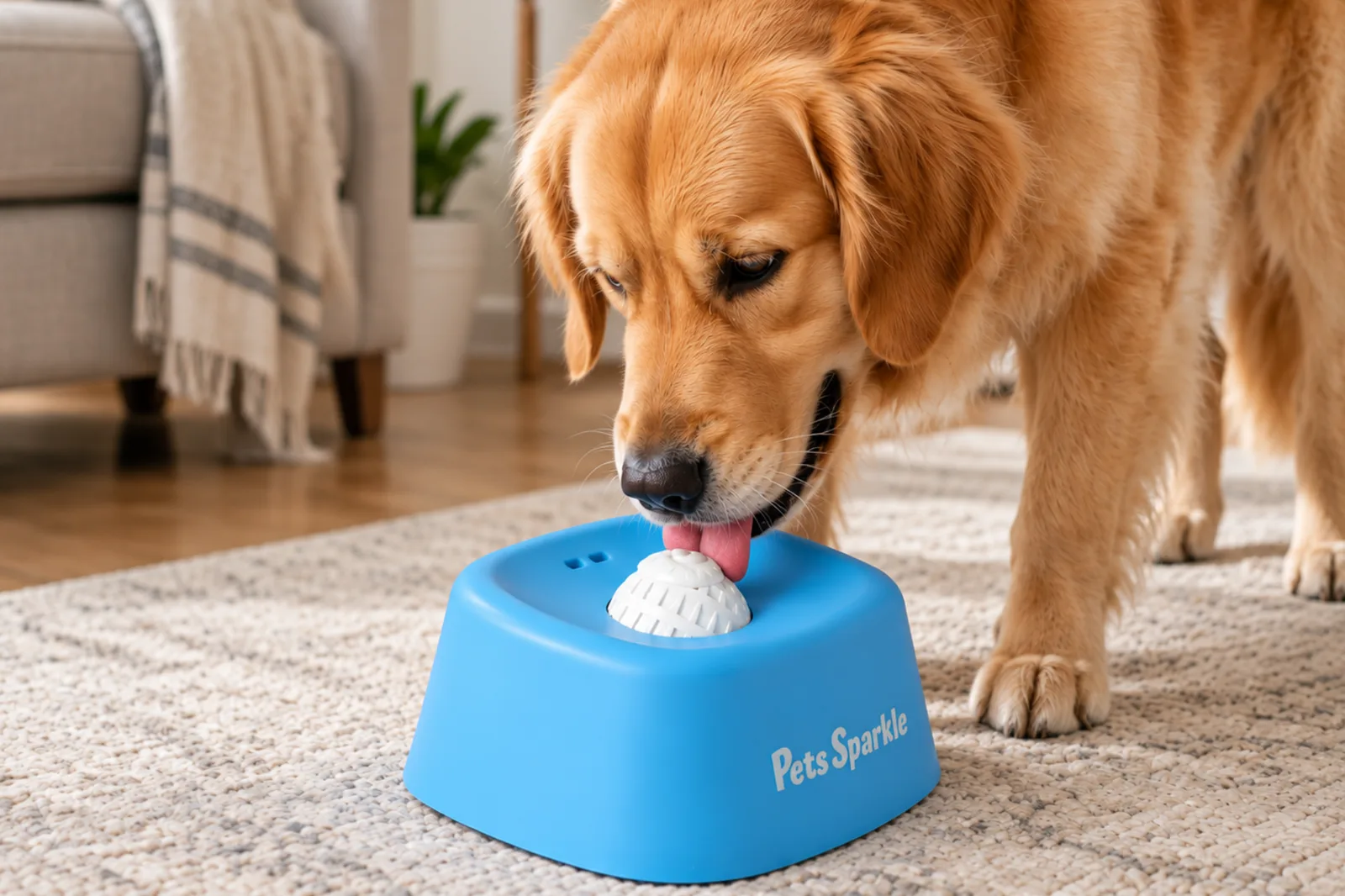
Simple to use
No training, no gadgets. Swap the bowl and let curiosity do the rest, three steps from gulp to calm.
Press wet food into the ridges or scatter kibble across the maze. Freezing it adds even more time.
About a minute to prepLicking, nosing and problem-solving slow every bite, so a 30-second gulp becomes a calm, mentally engaging meal.
Minutes of sniffing & lickingSlower eating supports digestion, cuts down gulping and bloating, and leaves your dog settled instead of wired.
Every meal, every dayFreeze wet food or a lick-mat topping in the feeder overnight for an even longer, cooler treat on warm days.
See vet-safe topping ideasWhy pet parents switch
Feeders chosen to slow the meal and spark curiosity, all backed by our 30-day happy-pet guarantee.
Food-safe, BPA-freeDishwasher-safeFor dogs & cats
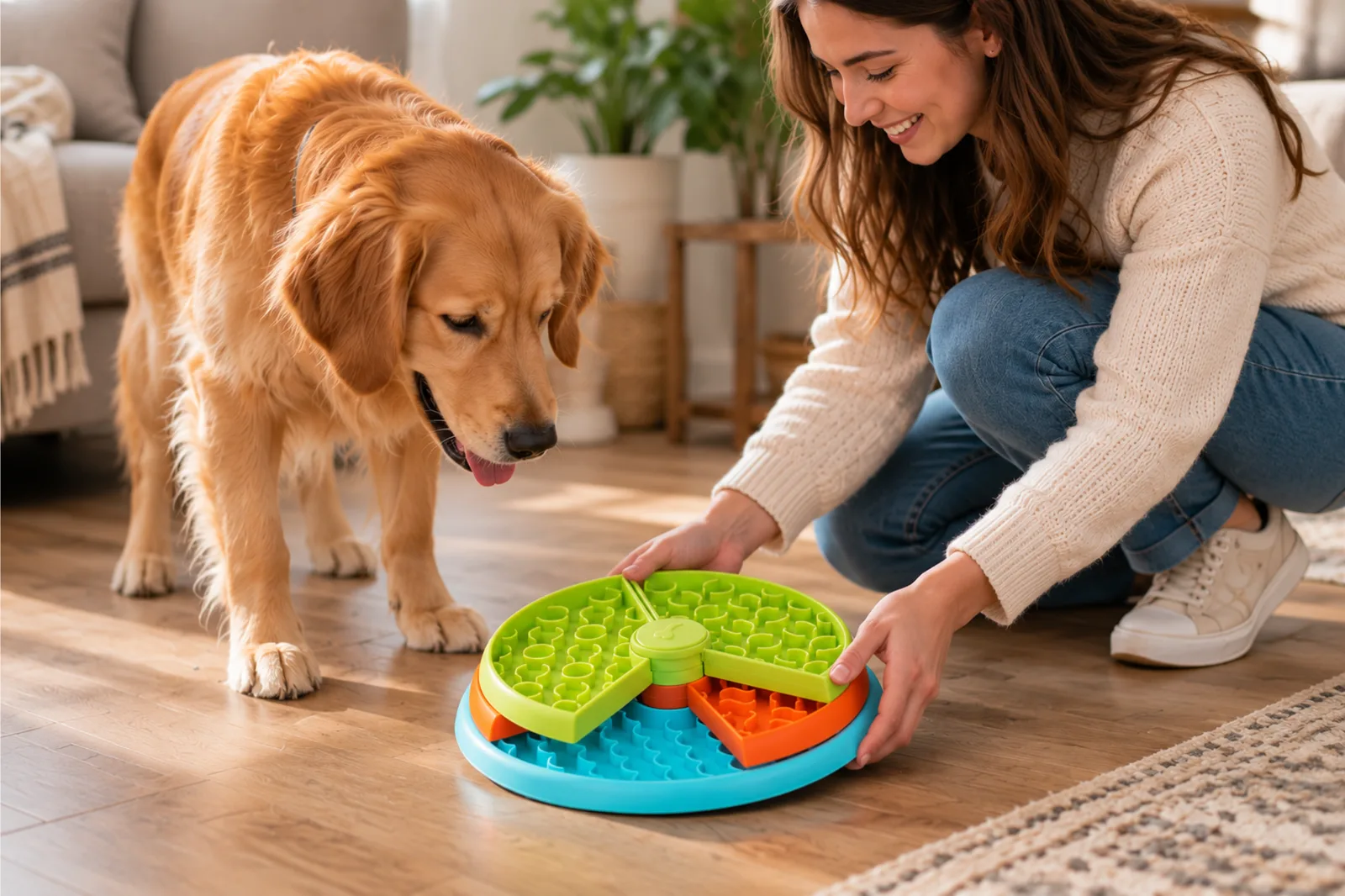
How to choose a slow feeder for German Shepherd dogs, set up a bloat-aware feeding routine, and spot the GDV warning signs that mean you should call your vet now.
Not sure what size slow feeder to buy? Measure one meal, check the bowl against your dog's muzzle and face shape, and use our sizing table to pick the right fit.
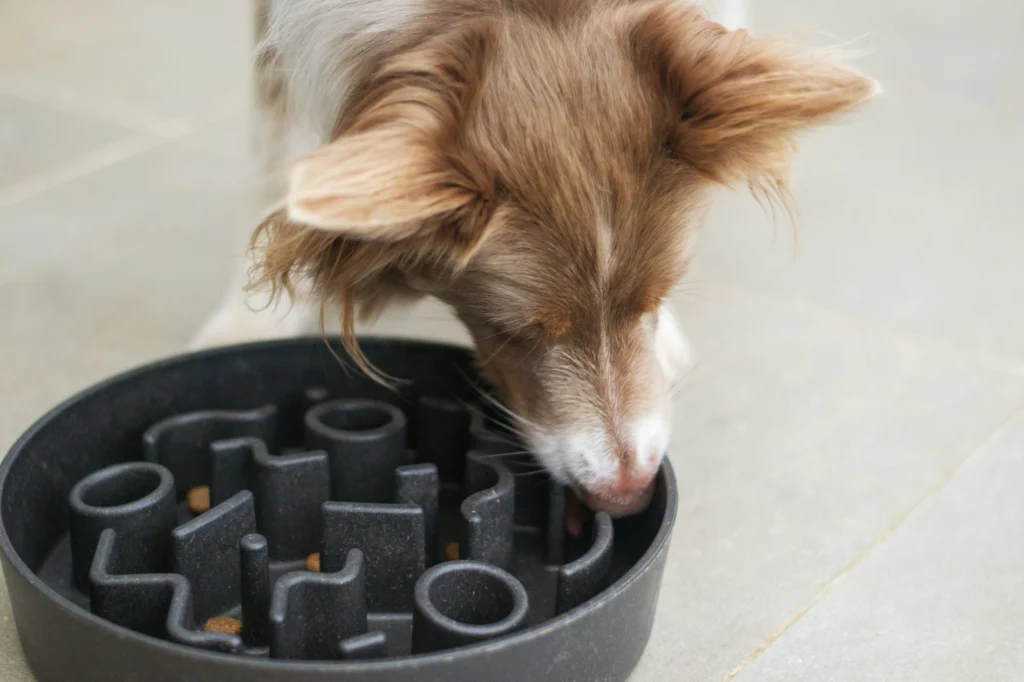
How long should a dog take to eat? Learn how to time a meal at home, what changes eating speed, the warning signs of gulping, and safe ways to slow your dog down.
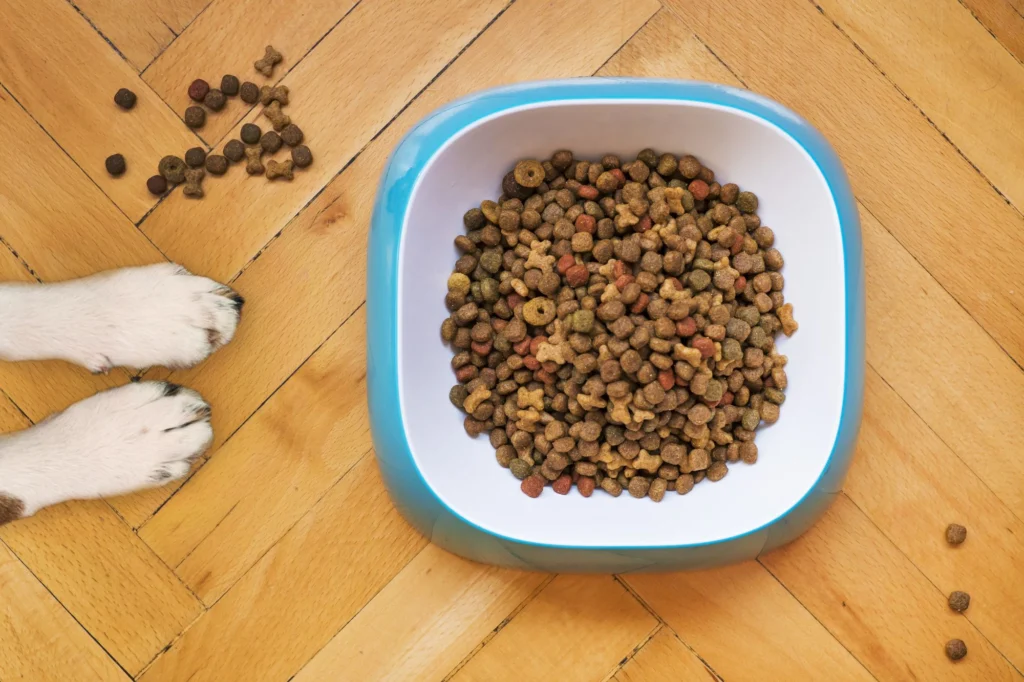
Learn how many calories your dog needs with the vet RER formula, life stage multipliers, a daily calorie chart by weight, label math for cups, and the 10% treat rule.
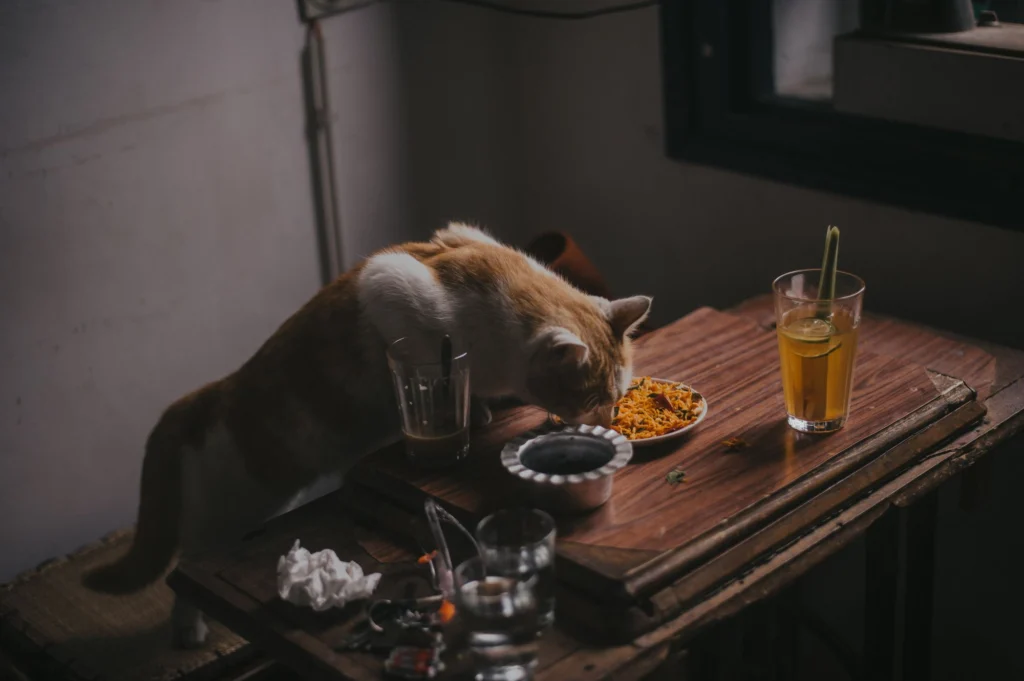
Automatic feeder vs slow feeder: one controls when and how much your cat eats, the other how fast. Learn which suits fast eaters, overweight cats, multi-cat homes and seniors.
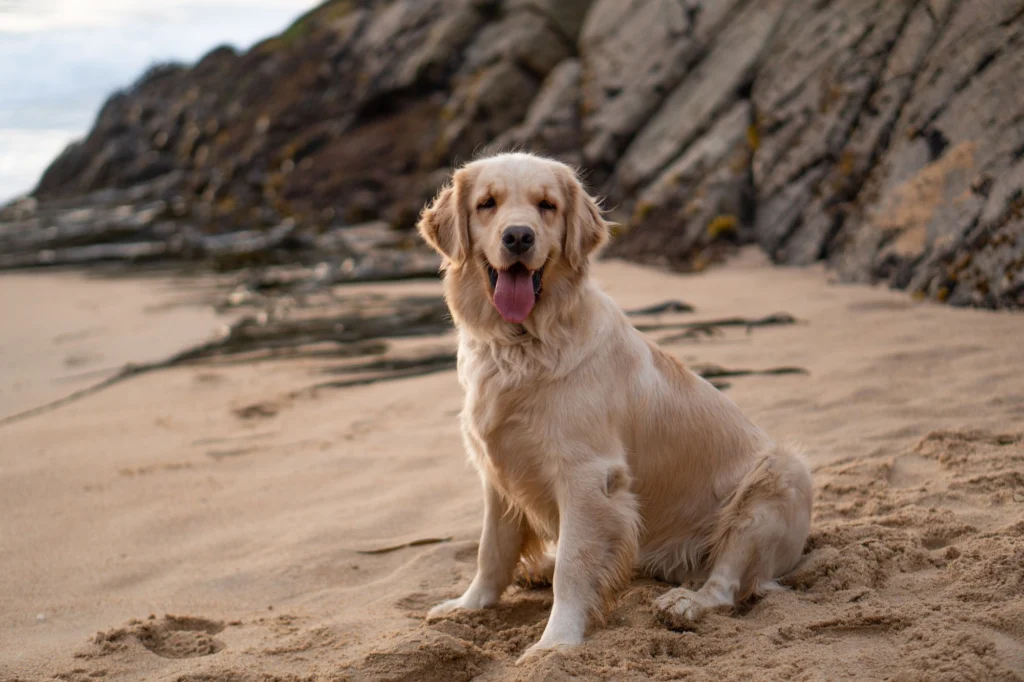
Elevated feeders look tidy, but veterinary research links raised bowls to higher bloat risk in large-breed dogs. Here's what vets recommend instead.
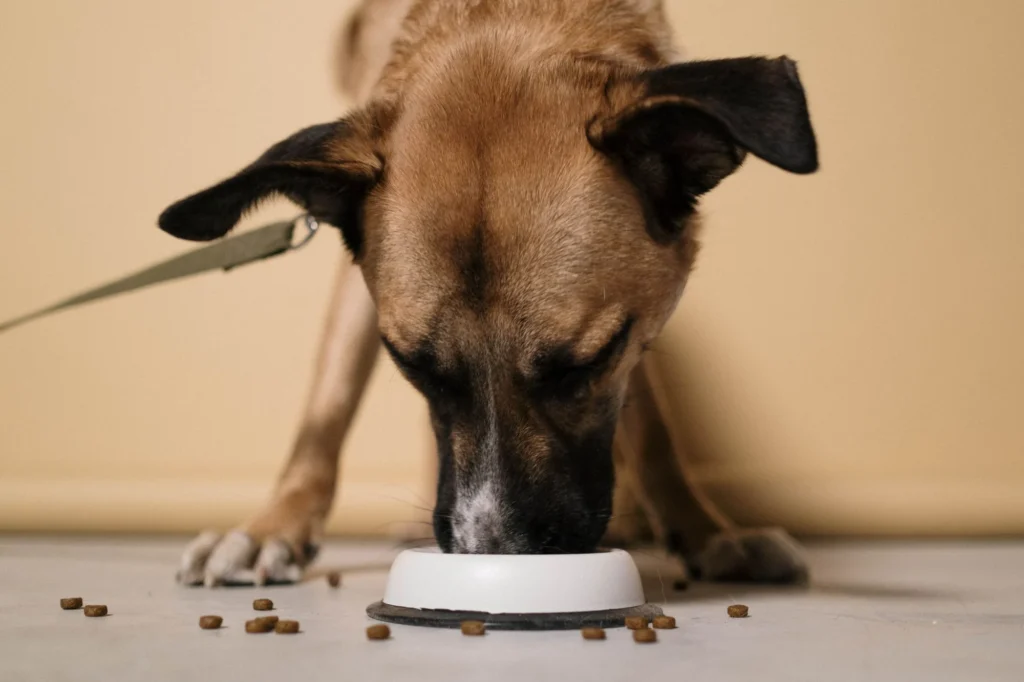
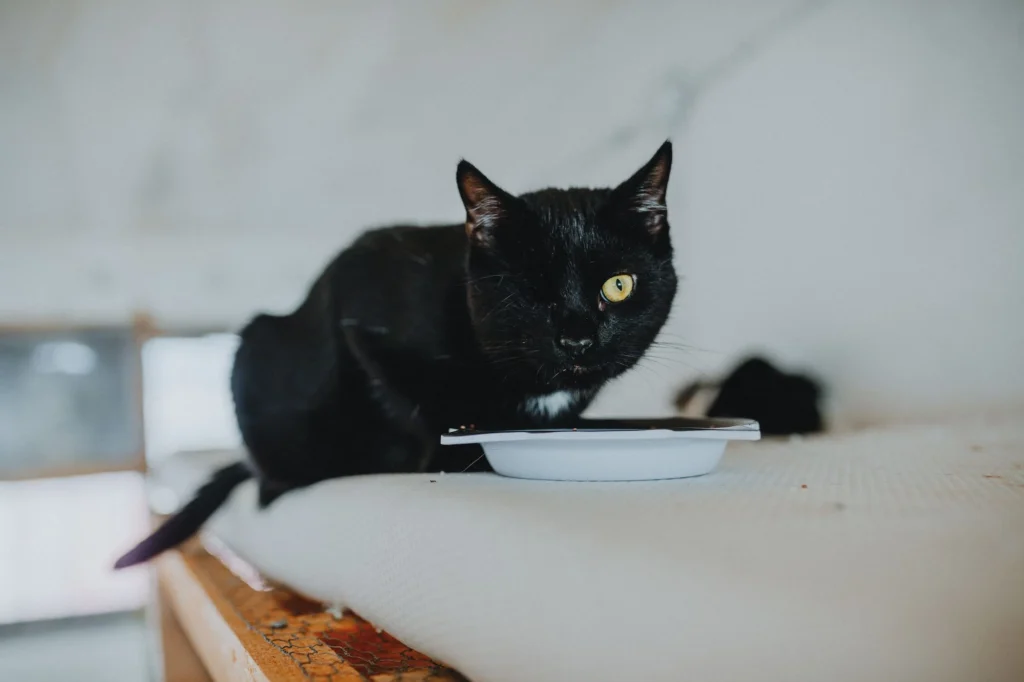
Fast eating in cats can mean gulping, vomiting, or mealtime competition. Here are 5 signs to watch for and how slow feeders and simple routine changes can help.
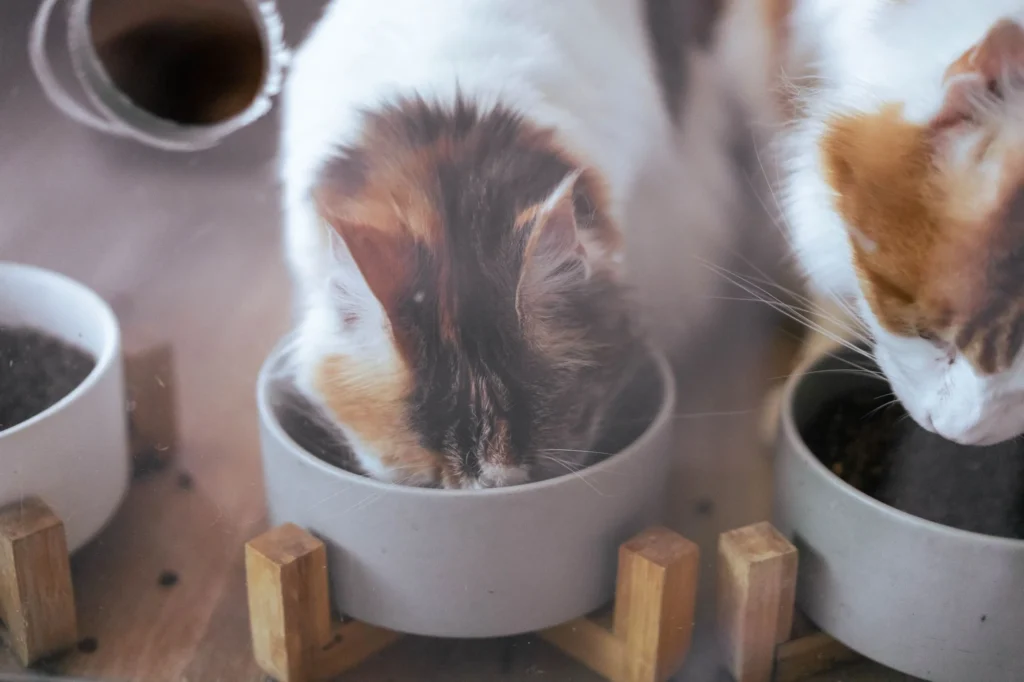
Is your cat pawing food out of the bowl or pacing at mealtime instead of diving in? Here's what whisker fatigue in cats really is, and how switching to a wider, shallower bowl can help.
Join pet parents who receive our weekly slow feeding tips, new product launches and exclusive member-only discounts every Monday.