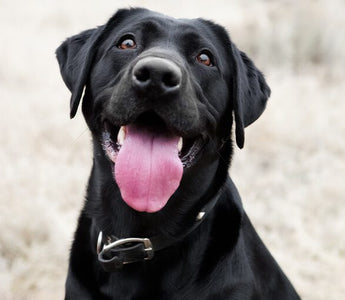
Why Is My Dog Panting So Much? Common Causes, Stress Signs, and When to Call a Vet
Dogs Pant Naturally — But Excessive Panting Can Signal a Problem
Panting is one of the primary ways dogs cool themselves down.
Unlike humans, dogs do not sweat efficiently through their skin. Instead, they release heat through rapid breathing and moisture evaporation from the mouth and tongue.
Mild panting after exercise or during warm weather is completely normal.
However, sudden heavy panting without an obvious reason may sometimes indicate stress, pain, overheating, or illness.
Emergency Signs That Require Immediate Veterinary Care
Seek emergency veterinary help immediately if panting appears with:
- Blue or pale gums
- Collapse or weakness
- Vomiting
- Difficulty breathing
- Disorientation
- Extreme lethargy
- Heat exposure
- Swollen abdomen
Heavy uncontrolled panting can become life-threatening during heatstroke or respiratory emergencies.
10 Common Reasons Dogs Pant Excessively
1. Heat
Warm weather is the most common reason dogs pant heavily.
Dogs cool themselves by increasing airflow through the mouth and respiratory system.
2. Exercise Recovery
Running, hiking, training, and intense play naturally increase breathing rates.
Panting should gradually slow after rest.
3. Anxiety or Stress
Stress commonly causes rapid panting even in cool environments.
Anxiety triggers may include:
- Thunderstorms
- Fireworks
- Travel
- Separation anxiety
- Vet visits
- Loud environments
4. Pain
Dogs in discomfort often pant more heavily than usual.
Pain-related panting may happen alongside:
- Limping
- Shaking
- Whining
- Restlessness
- Reduced appetite
5. Obesity
Extra body weight increases physical effort during movement and heat regulation.
6. Heart Disease
Dogs with heart conditions may struggle to oxygenate efficiently, increasing respiratory effort.
7. Respiratory Conditions
Airway problems may cause heavier breathing and noisy panting.
8. Medication Side Effects
Some medications may increase thirst, heat sensitivity, or breathing rates.
9. Heatstroke
Heatstroke is a medical emergency and often begins with severe nonstop panting.
10. Excitement
Some dogs pant heavily during moments of intense excitement or stimulation.
Signs Panting Is Related to Anxiety
Stress panting often happens without heat or exercise.
Dogs experiencing anxiety may also show:
- Pacing
- Trembling
- Drooling
- Whining
- Clingy behavior
- Hiding
- Restlessness
Environmental stress is a major trigger for excessive panting in many dogs.
How to Help a Panting Dog Calm Down
Move to a Cooler Area
Reduce heat exposure immediately if temperatures are high.
Offer Fresh Water
Hydration supports cooling and recovery.
Reduce Stimulation
Loud noises and chaotic environments may worsen stress-related panting.
Allow Rest
Dogs often recover faster when they can settle in a calm quiet environment.
Monitor Symptoms Closely
Watch for worsening breathing effort or behavior changes.
Which Dogs Are More Vulnerable to Overheating?
Some dogs struggle more with heat regulation than others.
Higher-risk groups include:
- Flat-faced breeds
- Senior dogs
- Puppies
- Overweight dogs
- Dogs with thick coats
- Dogs with heart or breathing conditions
When to Call Your Veterinarian
Schedule a veterinary evaluation if your dog:
- Pants heavily indoors without explanation
- Shows sudden behavior changes
- Struggles to settle after activity
- Pants constantly overnight
- Develops coughing or weakness
- Seems distressed during breathing
Persistent unexplained panting deserves professional attention.
How Rest and Recovery Affect Panting
Dogs recovering from stress or stimulation often need quiet recovery periods to regulate breathing and nervous system activity.
Healthy calming routines may include:
- Consistent schedules
- Mental enrichment
- Moderate exercise
- Quiet sleep environments
- Comfortable resting spaces
Comfortable Rest Spaces Help Dogs Recover From Stress
Dogs experiencing stress-related panting often settle better when they have calm predictable environments for recovery.
Helpful comfort-focused routines may support:
- Better sleep
- Lower stress levels
- Improved relaxation
- Post-exercise recovery
- Emotional regulation
Quiet low-stimulation environments often help anxious or overstimulated dogs relax more effectively.
FAQ
Why is my dog panting while resting?
Resting panting may result from heat, stress, pain, illness, or anxiety depending on the situation.
Can anxiety cause heavy panting?
Yes. Stress and fear commonly increase breathing rates in dogs.
When is panting considered dangerous?
Panting becomes more concerning when combined with weakness, collapse, pale gums, or breathing difficulty.
Why does my dog pant at night?
Nighttime panting may relate to anxiety, discomfort, heat, or underlying medical conditions.
How do I cool down a panting dog safely?
Move the dog to a cool shaded area, offer water, reduce stimulation, and contact a veterinarian if symptoms worsen.
Panting Is Normal — But Context Matters
Most panting is harmless and connected to normal cooling or excitement.
However, sudden excessive panting without an obvious cause should never be ignored.
Calm routines, healthy exercise, proper recovery, hydration, and comfortable rest environments all support healthier stress regulation and breathing patterns over time.
By the Pets Sparkle team
Updated May 2026 · 12-minute read