Best Foods and Supplements for Dogs With Anxiety
By the Pets Sparkle team
Updated May 2026 · 12-minute read
Food affects more than your dog’s stomach. It also affects mood, energy, sleep, stress response, and emotional balance.
While nutrition alone will not “cure” anxiety, the right foods and calming supplements can absolutely support a healthier nervous system and help anxious dogs feel more relaxed day to day.
Some ingredients naturally support serotonin production. Others help regulate stress hormones or reduce overstimulation in the brain.
This guide covers the best foods, nutrients, calming supplements, and feeding habits that may help reduce anxiety naturally in dogs.
Can Food Really Affect Dog Anxiety?
Yes. Nutrition plays a major role in overall brain and nervous system health.
Dogs experiencing poor digestion, unstable blood sugar, nutritional deficiencies, or chronic inflammation may struggle more with stress and emotional regulation.
A balanced diet supports:
- Healthy brain function
- Stable energy levels
- Better sleep quality
- Digestive health
- Stress hormone balance
- Emotional regulation
Think of calming nutrition as part of a bigger anxiety-support routine alongside exercise, enrichment, training, and a calm home environment.
Best Nutrients for Dogs With Anxiety
Omega-3 Fatty Acids
Omega-3s support healthy brain function and may help reduce inflammation linked to chronic stress.
Good sources include:
- Salmon
- Sardines
- Fish oil
- Anchovies
L-Theanine
L-theanine is a calming amino acid commonly used to promote relaxation without heavy sedation.
Tryptophan
Tryptophan supports serotonin production, which helps regulate mood and relaxation.
Foods naturally rich in tryptophan include:
- Turkey
- Chicken
- Eggs
- Pumpkin seeds
Magnesium
Magnesium helps support healthy nerve and muscle function and may contribute to calmer behavior in some dogs.
Probiotics
The gut and brain are deeply connected. Healthy digestion can positively influence mood and stress regulation.
Best Foods for Anxious Dogs
Salmon
Rich in omega-3 fatty acids and highly digestible protein, salmon supports both skin health and brain function.
Turkey
Turkey naturally contains tryptophan, which supports serotonin production and emotional balance.
Sweet Potatoes
Complex carbohydrates help stabilize energy levels and digestion throughout the day.
Blueberries
Packed with antioxidants that help combat oxidative stress.
Pumpkin
Pumpkin supports digestive health and provides fiber that can help sensitive stomachs during stressful periods.
Bone Broth
Warm bone broth can be comforting, hydrating, and easy on digestion for stressed dogs.
Foods That May Make Anxiety Worse
Some ingredients can increase hyperactivity, digestive discomfort, or nervous system stress.
Try limiting:
- Highly processed treats
- Artificial dyes and preservatives
- Excess sugar
- Very high-fat table scraps
- Frequent diet changes
Dogs with sensitive stomachs often become more emotionally reactive when digestion is disrupted.
Do Calming Supplements Actually Work?
Some calming supplements can help mild to moderate anxiety, especially when combined with training and environmental support.
Popular calming ingredients include:
- L-theanine
- Alpha-casozepine
- Valerian root
- Chamomile
- Hemp-derived calming blends
- Melatonin
Results vary from dog to dog. Some dogs respond noticeably within days, while others improve more gradually over several weeks.
How to Introduce New Foods or Supplements Safely
Sudden diet changes can upset digestion and increase stress instead of helping.
Introduce new foods slowly:
- Start with small amounts
- Watch digestion closely
- Monitor behavior changes
- Increase gradually over several days
Always speak with your veterinarian before starting supplements, especially if your dog already takes medication.
Feeding Habits That Help Reduce Anxiety
Keep Meal Times Predictable
Consistent schedules help anxious dogs feel more secure and stable.
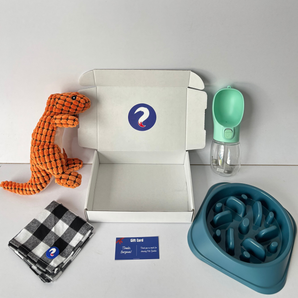
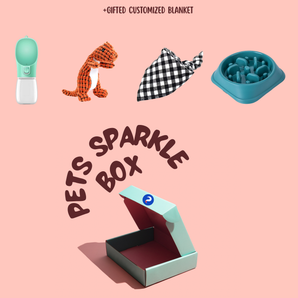
Use Slow Feeders and Puzzle Bowls
Slower eating encourages calmer behavior and provides mental stimulation at the same time.
Try Frozen Lick Mats
Licking naturally helps dogs self-soothe and release calming chemicals in the brain.
Avoid Overfeeding Treats During Stress
Emotional overeating can create digestive discomfort and unhealthy food habits.
Nutrition Works Best With a Calm Environment
Food alone rarely solves anxiety completely.
Dogs improve most when nutrition is paired with:
- Positive reinforcement training
- Mental enrichment
- Healthy exercise
- Predictable routines
- A calming safe space
Sleep quality also plays a huge role in emotional regulation for dogs.
Why a Comfortable Resting Space Matters for Anxious Dogs
Even dogs eating the healthiest diet still need proper rest and emotional recovery.
The Pets Sparkle Calming Dog Bed helps create a soft, secure environment where dogs can fully relax after stressful days, training sessions, or overstimulating environments.
Features include:
- Raised calming support edges
- Soft faux-fur comfort
- Machine washable materials
- Non-slip base
- Cozy donut-style design
Many dogs naturally seek enclosed resting spaces when they need emotional comfort or deeper sleep.
When to Talk to Your Veterinarian
Anxiety symptoms can sometimes be linked to medical conditions, digestive discomfort, pain, or hormonal imbalances.
Speak with your veterinarian if your dog:
- Suddenly develops anxiety
- Stops eating
- Experiences digestive problems regularly
- Loses weight unexpectedly
- Shows severe fear or panic behaviors
Your vet can help identify whether dietary adjustments, supplements, behavior training, or medication may help most.
Dog Anxiety Nutrition FAQ
Can certain foods calm dogs naturally?
Some nutrients support calmer brain function and emotional balance, especially omega-3s, tryptophan, and calming amino acids.
Does CBD help anxious dogs?
Some dogs appear to benefit from hemp-derived calming products, but research is still developing. Always choose veterinarian-approved products.
Are calming supplements safe for dogs?
Many are considered safe when used correctly, but dosage and ingredient quality matter greatly.
Can poor diet make anxiety worse?
Yes. Poor digestion, unstable energy levels, and nutritional imbalances can contribute to stress and behavioral issues.
How long do calming supplements take to work?
Some dogs respond within hours, while others may require several weeks of consistent use.
A Calmer Dog Starts With Daily Foundations
Nutrition is one piece of the bigger emotional wellness picture.
The dogs that improve most usually have a combination of:
- Healthy nutrition
- Predictable routines
- Mental stimulation
- Positive training
- Good sleep quality
- A calming environment
Anxiety recovery is rarely instant, but small daily improvements add up faster than most owners expect.