Reading time: 7 min | Last updated: June 2026 | Author: Pets Sparkle Team
Table of Contents
1. For Car Travel
2. For Hikes and Outdoor Adventures
3. For Overnight Stays and Hotels
4. The One Bag Philosophy
5. FAQ
Traveling with your dog is one of the great joys of pet ownership — and one of the great logistical challenges. The right accessories make the difference between trips that flow naturally and those that involve improvising with inadequate gear at exactly the wrong moment.
According to the AKC, preparation and the right equipment are the two most important factors in successful dog travel. Here's what actually matters.
For Car Travel
Crash-Tested Car Harness or Secured Travel Crate
This is the non-negotiable safety item. An unrestrained dog in a moving vehicle is a projectile in a collision. According to the Center for Pet Safety, a 30-pound dog in a 35mph collision exerts approximately 900 pounds of force — dangerous for both dog and occupants.
- Crash-tested harness: Look for Center for Pet Safety certification — not all "crash-tested" claims are independently verified. Attaches to the seatbelt system.
- Secured hard-shell crate: The safest option for larger dogs. Crate must be secured to prevent it from becoming a projectile itself.
Non-Slip Seat Cover
Protects upholstery, gives the dog a stable non-slip surface, and makes post-adventure cleanup vastly easier. Hammock-style covers that span from front to back provide the most protection.
Collapsible Travel Bowl
Dehydration is a real risk for traveling dogs, especially in warm weather and during active adventures. A collapsible silicone bowl that fits in a pocket or clips to a bag makes every rest stop a hydration opportunity. Pair with a dedicated travel water bottle.
For Hikes and Outdoor Adventures
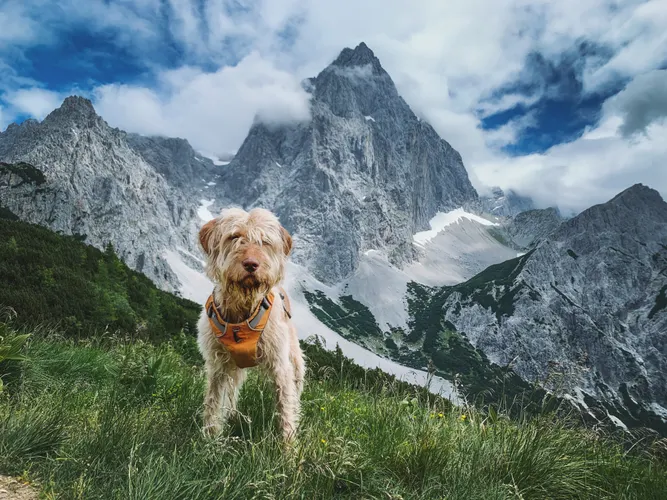
Off-leash outdoor adventures require visibility gear, hydration supplies, and basic first aid preparation for safe, worry-free exploring.
High-Visibility Collar or Vest
In forests, fields, or at dusk, losing visual track of a ranging dog is easy. A glow collar, reflective vest, or brightly colored bandana dramatically improves spot-tracking. Non-negotiable for dogs who go off-leash on trails.
Dog Backpack or Saddlebag
For longer hikes, medium and large dogs can carry their own water, treats, and collapsible bowl. Distributes pack weight sensibly and gives working-dog-brained dogs a purpose. Start with a very light load and gradually add weight over multiple outings to build conditioning.
Protective Paw Wax or Dog Boots
Rocky trails, hot pavement, and icy paths all injure paw pads. Paw wax provides a protective coating for most conditions. Dog boots (with patient positive introduction) provide the most protection for extreme surfaces.
Basic Canine First Aid Kit
For trail hikes: antiseptic wipes, paw bandages, tick removal tool, styptic powder (stops minor bleeding), tweezers, and an emergency contact card. Small, light, genuinely important.
For Overnight Stays and Hotels
Portable Dog Bed or Familiar Mat
A familiar-smelling sleep surface helps anxious dogs settle significantly faster in new environments. Lightweight, foldable travel mats are sufficient for most dogs. If practical, bringing their usual bed provides the strongest familiar scent signal.
Pre-Portioned Food Containers
Pre-portioned daily food in sealed containers prevents overfeeding on the road, removes the need to haul a heavy full food bag, and makes feeding fast and clean during travel.
Enzymatic Cleaner (Small Travel Bottle)
Accidents happen in new environments, particularly for anxious dogs. A small bottle of enzymatic cleaner addresses them completely and prevents damage claims from accommodation.
Puzzle Feeder for Settling in New Spaces
A familiar puzzle feeder loaded with high-value food is one of the most effective tools for helping a dog settle in a new hotel room or rental. The familiar task engagement bridges the disorienting gap of a new environment.
The One Bag Philosophy
For day trips and regular outings, a dedicated pre-packed "dog travel bag" that stays stocked means you're always ready to go. Pack it once with:
- Collapsible bowl + small water bottle
- Poop bags (dispenser that clips to leash)
- Small high-value treat pouch
- One favorite toy
- First aid basics
- Hand sanitizer
Grab the bag, grab the dog, go. The best travel kit is the one that's always ready.
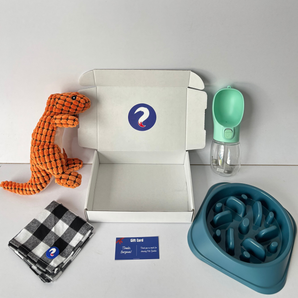
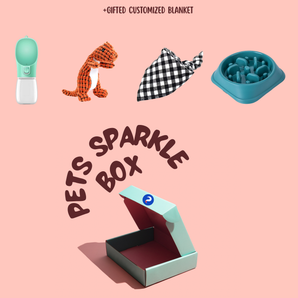
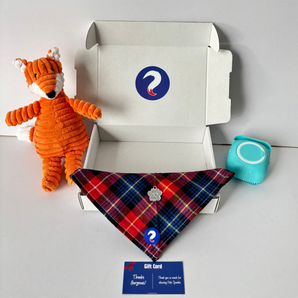
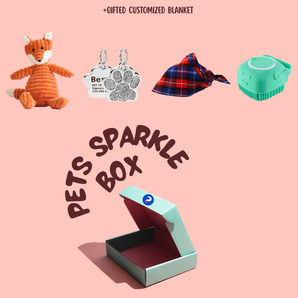
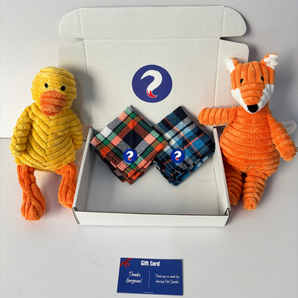
For a curated accessory starting point, the Pets Sparkle Spark Boxes are assembled to give dogs a well-considered collection of toys and accessories — useful for finding several favorites at once.
Browse all dog accessories and gear at the Pets Sparkle Dogs Collection.
FAQ
Q: What accessories do I need to travel with a dog?
Non-negotiables: crash-tested car harness or secured crate, collapsible travel bowl, poop bags, current ID on collar. For hikes: visibility collar, basic first aid kit. For overnight stays: portable bed/mat, pre-portioned food.
Q: Is traveling with a dog in a car safe?
Yes, with the right restraint. Unrestrained dogs are dangerous in collisions. Use a crash-tested harness or secured hard crate.
Q: How do I keep my dog calm while traveling?
Short positive pre-trip exposures, familiar-smelling bedding, a puzzle feeder at departure, well-exercised before long journeys, and DAP spray in the travel space.
Q: What do I do if my dog gets carsick?
Feed 3+ hours before travel, ensure good ventilation, face them forward, take short breaks, and start with very short trips to build tolerance. For persistent severe cases, speak to your vet about anti-nausea medication.
Q: Can I travel by plane with my dog?
Small dogs (under ~20 lbs) typically travel in-cabin. Larger dogs travel as cargo. Research your airline's specific policies, ensure IATA-approved carrier compliance, and check destination health certificate requirements well in advance.
Key Takeaways
- The single biggest predictor of success is owner consistency — doing the routine daily even on days you don't see immediate change.
- Mental enrichment matters as much as physical exercise. Both together produce results that neither delivers alone.
- For ongoing or severe issues, working with a vet adds tools (medication, behavioral protocols) that home interventions can't match.
- Most owners see meaningful improvement in 6–8 weeks of consistent work.
Related Posts
- Essential Dog Accessories Guide
- Glow Dog Collars: Are They Worth It?
- New Puppy Checklist
- Complete Dog Anxiety Guide
About the Author
Pets Sparkle Editorial Team — Pet enrichment and care specialists with 5+ years of research, product testing, and content experience. Every guide is reviewed against current veterinary and behavioural science guidelines. | petssparkle.com
Sources: AKC — Traveling with Your Dog · Center for Pet Safety · ASPCA — General Dog Care