Reading time: 7 min | Last updated: June 2026 | Author: Pets Sparkle Team
Table of Contents
1. What Is Dog Bloat (GDV)?
2. Which Breeds Are Most at Risk?
3. What Causes GDV?
4. Do Slow Feeders Actually Help?
5. Complete GDV Prevention Protocol
6. What to Look for in a Slow Feeder for Large Breeds
7. FAQ
If you have a large or deep-chested dog, you've likely heard "bloat" spoken with real alarm — not an exaggeration. In its most dangerous form — Gastric Dilatation-Volvulus (GDV) — dog bloat kills up to 30% of affected dogs even with emergency surgery, according to the American Kennel Club. And fast eating is one of its most well-documented preventable risk factors.
So: can a slow feeder bowl actually protect your dog's life? Here's what the evidence says.
What Is Dog Bloat (GDV)?
Stage 1 — Gastric Dilatation: The stomach fills with gas, food, or fluid and expands. Uncomfortable but not always immediately life-threatening.
Stage 2 — Volvulus: The gas-filled stomach physically rotates on its axis, trapping gas inside and cutting off blood supply to the stomach and spleen. This is the emergency. Stomach tissue begins dying within 2–4 hours. Without surgery, the outcome is fatal.
Emergency Symptoms of GDV
- Hard, visibly distended abdomen
- Unproductive retching (straining to vomit with nothing coming up)
- Restlessness, pacing, inability to get comfortable
- Rapid, shallow breathing
- Excessive drooling
- Pale or white gums
If you see these signs: do not wait. Go to an emergency vet immediately. Time is critical.
Which Breeds Are Most at Risk?
Quick answer: GDV occurs predominantly in large, deep-chested breeds where the stomach has anatomical room to rotate: According to a landmark study published in the Journal of the American Veterinary Medical Association, having a first-degree relative with GDV triples lifetime risk — making genetics a critical factor alongside anatomy.
GDV occurs predominantly in large, deep-chested breeds where the stomach has anatomical room to rotate:
| Breed | Lifetime GDV Risk |
|---|---|
| Great Dane | Up to 42% |
| Standard Poodle | High |
| German Shepherd | High |
| Weimaraner | High |
| Saint Bernard | High |
| Gordon Setter | High |
| Irish Setter | High |
| Doberman Pinscher | Elevated |
| Labrador Retriever | Moderate |
| Basset Hound | Elevated (despite small size) |
According to a landmark study published in the Journal of the American Veterinary Medical Association, having a first-degree relative with GDV triples lifetime risk — making genetics a critical factor alongside anatomy.
What Causes GDV? The Role of Fast Eating
The AVMA identifies the following primary risk factors for GDV:
- Fast eating — the largest volume of air ingestion occurs here
- Single large daily meal — overwhelming the stomach capacity at once
- Exercise within 60–90 minutes of eating — movement of a gas-filled stomach
- Anxious temperament — stress amplifies air swallowing
- Family history — first-degree relative with GDV
- Age — risk increases significantly after 5 years
- Male dogs — statistically higher risk than female dogs
Do Slow Feeders Actually Help?
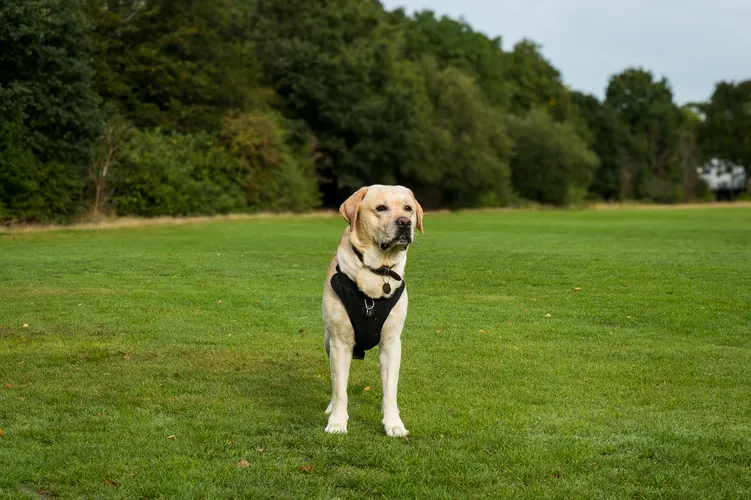
Prevention strategies matter most for large, deep-chested breeds that eat fast.
The direct answer: yes — with important caveats.
No tool eliminates GDV risk 100%. But slow feeders address one of the most significant preventable contributing factors: air ingestion from fast eating.
Research cited by the AKC shows that slow feeder bowls can reduce eating speed by up to 10 times compared to a standard bowl. Less speed = dramatically less air ingested per meal = lower gastric dilation risk per episode.
The AKC specifically recommends slow feeders as a "practical measure" for at-risk breeds, alongside dietary management and exercise restrictions post-meal. Browse the Pets Sparkle Slow Feeders Collection for options sized to large breeds.
Complete GDV Prevention Protocol for At-Risk Dogs
Use slow feeders as part of a broader strategy:
| Prevention Measure | Why It Helps |
|---|---|
| Slow feeder bowl at every meal | Reduces air ingestion per feeding |
| 2–3 smaller daily meals | Prevents large single-meal stomach overload |
| No exercise 60–90 min post-meal | Stops movement of gas-filled stomach |
| Avoid feeding immediately after exercise | Reduces stress-related gulping |
| Discuss prophylactic gastropexy with vet | Surgical tacking prevents stomach rotation entirely |
| Monitor family history | Inform your vet if parent/sibling had GDV |
Prophylactic gastropexy — a surgical procedure where the stomach is permanently secured to the abdominal wall to prevent rotation — is increasingly recommended for Great Danes and other very high-risk breeds, often performed at the time of spay/neuter. Ask your vet if this is appropriate for your dog.
What to Look For in a Slow Feeder for Large Breeds
- Large surface area — sized for big snouts, not standard-bowl dimensions
- Deep, wide grooves — shallow patterns are bypassed by large tongues
- Non-slip weighted base — large dogs will push lightweight bowls across the floor
- 4–6+ cup capacity — adequate for large daily portion sizes
- Durable BPA-free construction — withstands forceful eating without damage
Browse the Pets Sparkle Slow Feeders Collection for size-appropriate options. For added mental enrichment alongside bloat prevention, the Brainy Puzzle Feeder serves both purposes effectively.
FAQ
Q: Do slow feeders prevent GDV?
They reduce one of GDV's most preventable triggers — fast eating and air ingestion. Combined with a multi-meal schedule and post-meal rest, they form an evidence-backed prevention strategy.
Q: Which breeds are most at risk?
Great Danes (up to 42% lifetime risk), Standard Poodles, German Shepherds, and Weimaraners face the highest risk. Any large, deep-chested breed should be treated as at-risk.
Q: What are the symptoms of GDV?
Hard distended abdomen, unproductive retching, restlessness, rapid breathing, excessive drooling, pale gums. Emergency vet visit required immediately — stomach tissue dies within 2–4 hours.
Q: What is prophylactic gastropexy?
A surgical procedure that permanently anchors the stomach to the abdominal wall, preventing rotation. Recommended for Great Danes and very high-risk breeds, often done at the time of spay/neuter.
Q: How do I reduce my dog's bloat risk starting today?
Switch to a slow feeder bowl, split meals into 2–3 daily servings, restrict exercise for 60–90 minutes after eating, and discuss your dog's individual risk profile with your vet.
Key Takeaways
- The single biggest predictor of success is owner consistency — doing the routine daily even on days you don't see immediate change.
- Mental enrichment matters as much as physical exercise. Both together produce results that neither delivers alone.
- For ongoing or severe issues, working with a vet adds tools (medication, behavioral protocols) that home interventions can't match.
- Most owners see meaningful improvement in 6–8 weeks of consistent work.
Related Posts
About the Author
Pets Sparkle Editorial Team — Pet enrichment and care specialists with 5+ years of research, product testing, and content experience. Every guide is reviewed against current veterinary and behavioural science guidelines. | petssparkle.com
Sources: AKC — Bloat in Dogs · AVMA — GDV