Reading time: 6 min | Last updated: June 2026 | Author: Pets Sparkle Team
Table of Contents
1. Which Dogs Need a Winter Hoodie?
2. What Makes a Great Cold-Weather Dog Hoodie
3. Temperature Guide
4. Signs Your Dog Is Cold on Walks
5. Caring for Your Dog's Winter Hoodie
6. FAQ
When temperatures drop, some dogs need extra help staying warm on walks. A well-chosen hoodie or jacket isn't a luxury for these dogs — it's practical cold-weather kit that makes outdoor time comfortable rather than miserable.
According to the AKC, thin-coated and small breeds can lose body heat rapidly in cold conditions, and signs of genuine thermal discomfort are easy to miss until the dog has been cold for a significant period. Here's everything you need to know.
Which Dogs Need a Winter Hoodie?
High Need — Genuinely Benefit from Winter Clothing
- Short-coated breeds: Greyhounds, Whippets, Italian Greyhounds, Vizslas, Boxers — minimal natural insulation
- Toy and small breeds: Chihuahuas, Yorkshire Terriers, Miniature Pinschers — small body mass loses heat fast
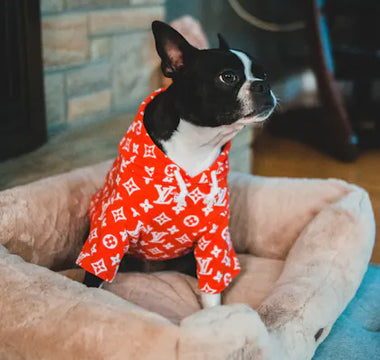
- Brachycephalic breeds: French Bulldogs, Pugs, English Bulldogs — also struggle to regulate body temperature efficiently
- Senior dogs (7+): Older dogs are less able to maintain body heat
- Puppies under 6 months: Temperature regulation is not fully developed
- Recently groomed or post-surgery dogs: Temporarily without natural insulation
Usually Don't Need It
- Double-coated northern breeds: Huskies, Malamutes, Bernese Mountain Dogs, Samoyeds — their coats are designed for cold, and adding layers risks overheating
- Any dog in mild winter conditions (consistently above 50°F/10°C) who shows no signs of discomfort
What Makes a Great Cold-Weather Dog Hoodie
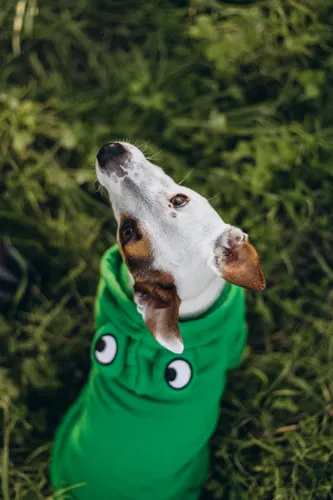
The right construction makes the difference between a hoodie that looks warm and one that actually is.
Warmth Without Bulk
The best winter hoodies use a fleece inner layer for warmth with a soft cotton or jersey outer face that doesn't restrict movement. Pure thin cotton hoodies aren't warm enough for genuinely cold conditions — look for fleece-lined or thermal-knit construction.
Full Coverage
A hoodie that covers from neck to the base of the tail provides genuine thermal benefit. Short crop-style designs look stylish but leave most of the torso exposed — which defeats the purpose in genuinely cold weather.
Wide Leg Coverage
For cold climates (below 35°F/2°C), a hoodie extending to cover the upper legs is significantly warmer than torso-only coverage. This distinguishes a genuinely functional cold-weather piece from a stylish-but-limited garment.
Easy On and Off
Cold mornings are not the time to wrestle your dog into complex fastenings. Look for designs with simple neck openings, velcro belly straps, or smooth pullover constructions that go on in one motion.
Machine Washable
Winter walks mean muddy walks. A hoodie that can't be machine washed is not practical for regular cold-weather use.
Water Resistance (Bonus)
For wet climates, a water-resistant outer layer that also provides warmth is the ideal combination — keeping the dog dry while maintaining insulation performance.
Temperature Guide
| Temperature | Conditions | Action for At-Risk Breeds |
|---|---|---|
| Above 60°F / 15°C | Comfortable | No clothing needed |
| 45–60°F / 7–15°C | Cool | Light hoodie optional |
| Below 45°F / 7°C | Cold | Hoodie or jacket recommended |
| 32–45°F / 0–7°C | Very cold | Warm hoodie or insulated jacket essential |
| Below 32°F / 0°C | Freezing | Heavy layer + limit walk duration |
Signs Your Dog Is Cold on Walks
Watch for these signs that your dog genuinely needs a layer:
- Shivering — the clearest signal
- Slowing down and reluctance to continue walking
- Lifting paws off the cold ground
- Hunching or tucking their back end under
- Seeking shelter behind objects or against you
- Refusing to walk and trying to turn home
If you see any of these, add a layer for the next outing. A well-chosen hoodie typically eliminates all of these behaviors in the breeds that experience them.
Caring for Your Dog's Winter Hoodie
- Wash every 3–5 wears, or immediately if soiled
- Air dry where possible — high heat can shrink fabric and damage elastic
- Check armhole seams after each season — these areas fray first with active use
- Store clean and dry between seasons to prevent mildew
The Adidog BarkFit Hoodie is built with cold-weather walks in mind — warm fleece-blend construction, full-torso coverage, a wide chest cut for natural movement, and machine-washable design for practical everyday use.
For sizing help, see the Complete Dog Clothing Size Guide. Browse the full winter collection at Pets Sparkle Dog Clothing.
FAQ
Q: Which dogs need a winter hoodie?
Thin-coated breeds (Greyhounds, Whippets, Chihuahuas), brachycephalic breeds (French Bulldogs, Pugs), senior dogs, puppies, and post-surgery dogs.
Q: At what temperature does a dog need a coat?
For at-risk breeds: below 45°F (7°C). Below 32°F (0°C), a warm layer is essential and walk duration should be limited.
Q: What makes a cold-weather hoodie actually warm?
Fleece inner lining, full torso coverage from neck to tail, and wide-cut construction that doesn't restrict movement or breathing.
Q: Can thick-coated dogs overheat in a hoodie?
Yes — thick double-coated breeds (Huskies, Malamutes, Samoyeds) risk overheating with additional layers. Their natural coat already provides cold-weather insulation. Only use hoodies on thin-coated, small, senior, or medically compromised dogs.
Q: How often should I wash a winter dog hoodie?
Every 3–5 wears, or immediately if soiled. Air dry rather than tumble dry on high heat to preserve fabric and elastic.
Key Takeaways
- The single biggest predictor of success is owner consistency — doing the routine daily even on days you don't see immediate change.
- Mental enrichment matters as much as physical exercise. Both together produce results that neither delivers alone.
- For ongoing or severe issues, working with a vet adds tools (medication, behavioral protocols) that home interventions can't match.
- Most owners see meaningful improvement in 6–8 weeks of consistent work.
Related Posts
- Complete Guide to Dressing Your Dog
- Are Dog Hoodies Safe?
- How to Measure Your Dog for Clothes
- Dog Streetwear Trends 2026
About the Author
Pets Sparkle Editorial Team — Pet enrichment and care specialists with 5+ years of research, product testing, and content experience. Every guide is reviewed against current veterinary and behavioural science guidelines. | petssparkle.com
Sources: AKC — Dog Clothes: Do Dogs Need Them? · ASPCA — General Dog Care